Industry guide
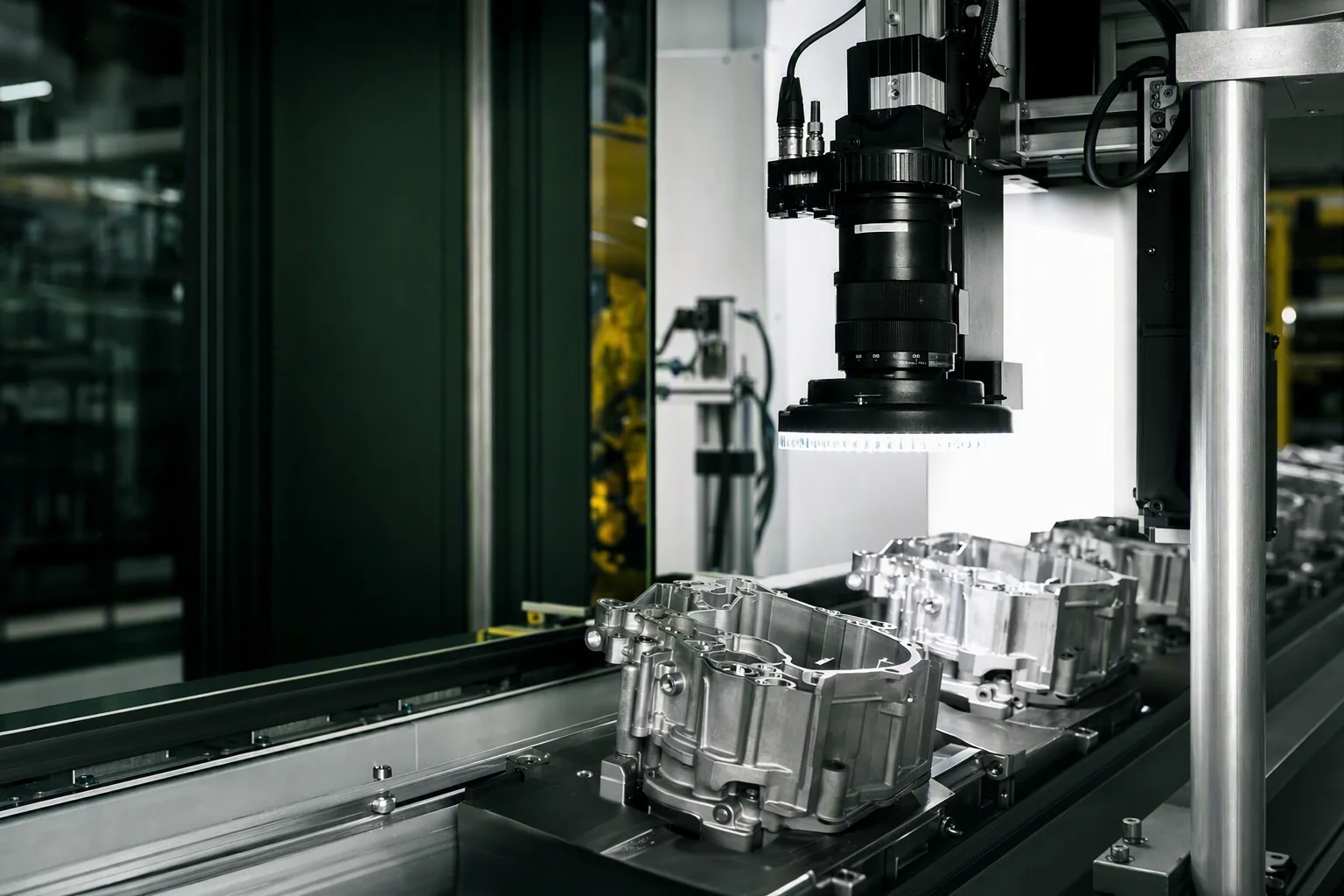
Automotive and components
Build repeatable visual checks around machined parts, castings, subassemblies, labels and visible process evidence.
Explore the industry guide
Industries
United Vision helps automotive, food and packaging, metals and electronics manufacturers turn visible quality conditions into plant-owned line inspections. The same platform supports a repeatable lifecycle while each factory qualifies its products, imaging, timing, response and validation requirements.
AI visual inspection uses cameras and computer vision models to recognize defined defects, assembly conditions and process evidence. United Vision gives manufacturing teams a repeatable way to train, deploy and update those inspections using supported cameras and edge devices, with cloud infrastructure in the customer’s own account.
Build repeatable visual checks around machined parts, castings, subassemblies, labels and visible process evidence.
Explore the industry guide
Apply plant-controlled visual workflows to packaging integrity, labels, product presentation and compatible imaging sources.
Explore the industry guide
Evaluate surfaces, presence, orientation and optically measurable conditions where imaging is controlled and repeatable.
Explore the industry guide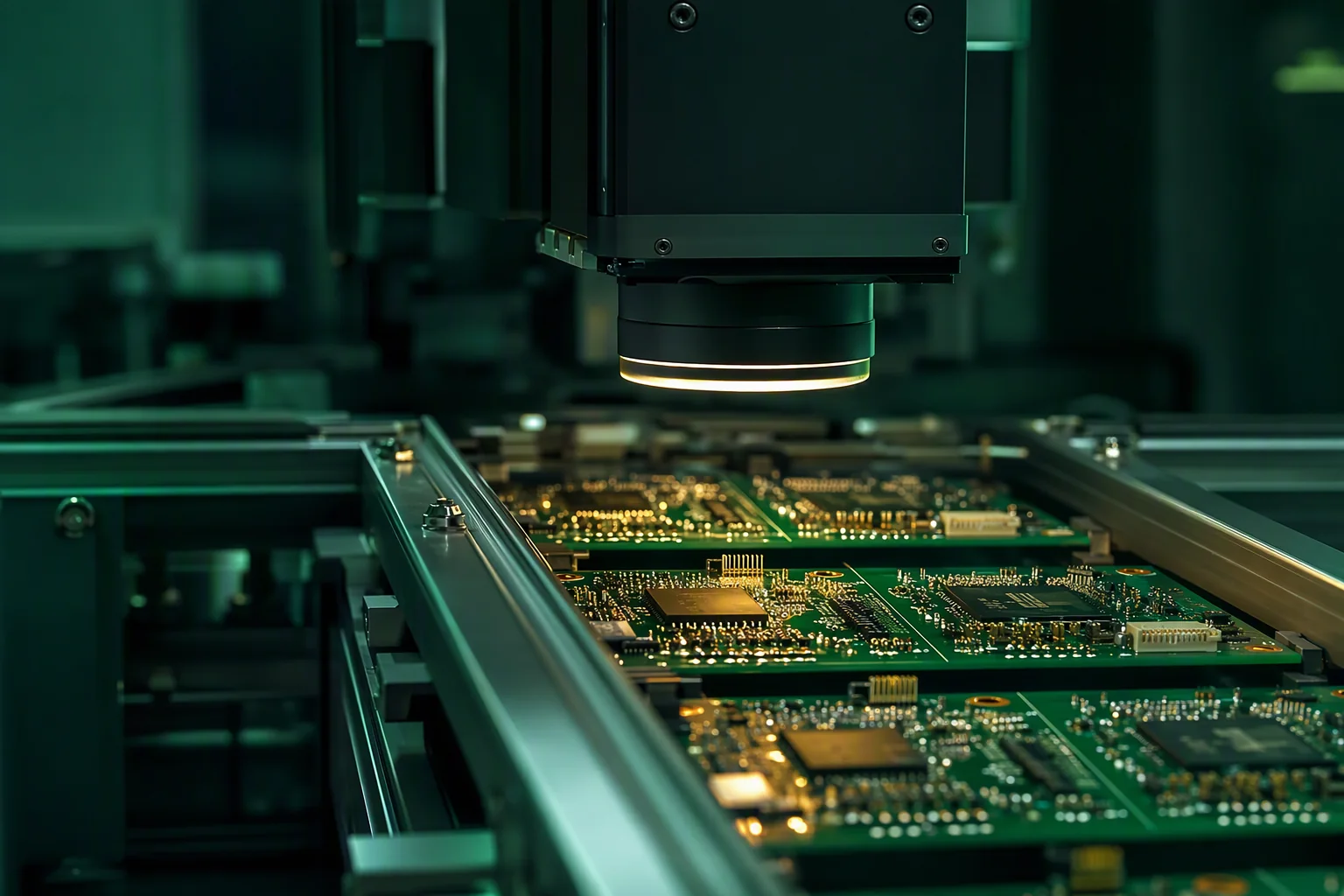
Use representative production images to define component, connector and assembly checks that can evolve with product changes.
Explore the industry guideA common evaluation frame
The answers change by process, but disciplined inspection planning does not.
Identify the smallest relevant feature and the variation that separates acceptable from suspect production.
Understand part presentation, illumination, motion, environment and timing.
Define the review, routing, alerting or documentation step before the model is built.
Set validation evidence, thresholds, ownership and change triggers.
A focused discussion can separate a strong candidate from a use case that needs better imaging, clearer acceptance criteria or a different inspection method.