
Use Case
Oil-leak detection
A workflow for identifying visible or fluorescent evidence on a component before it moves downstream.
Review the workflow
Use Cases
Explore seven production-line inspection workflows for defect detection, label and assembly verification, optical measurement, safety-zone monitoring and thermal process monitoring. Each page connects the homepage film to the evidence, line conditions, response and plant-owned lifecycle behind the use case.
United Vision applies one plant-owned Vision AI lifecycle across many manufacturing use cases: capture representative images, define the decision, train and validate the model, deploy to supported edge devices, then adapt and repeat. One factory license supports unlimited use cases within the licensed factory.
What is a Use Case? A practical view of how an inspection can be defined, trained, deployed and maintained, from image capture to the production response.
A workflow for identifying visible or fluorescent evidence on a component before it moves downstream.
Review the workflow
A workflow showing how compatible X-ray imagery could be evaluated for unusual objects or density patterns.
Review the workflow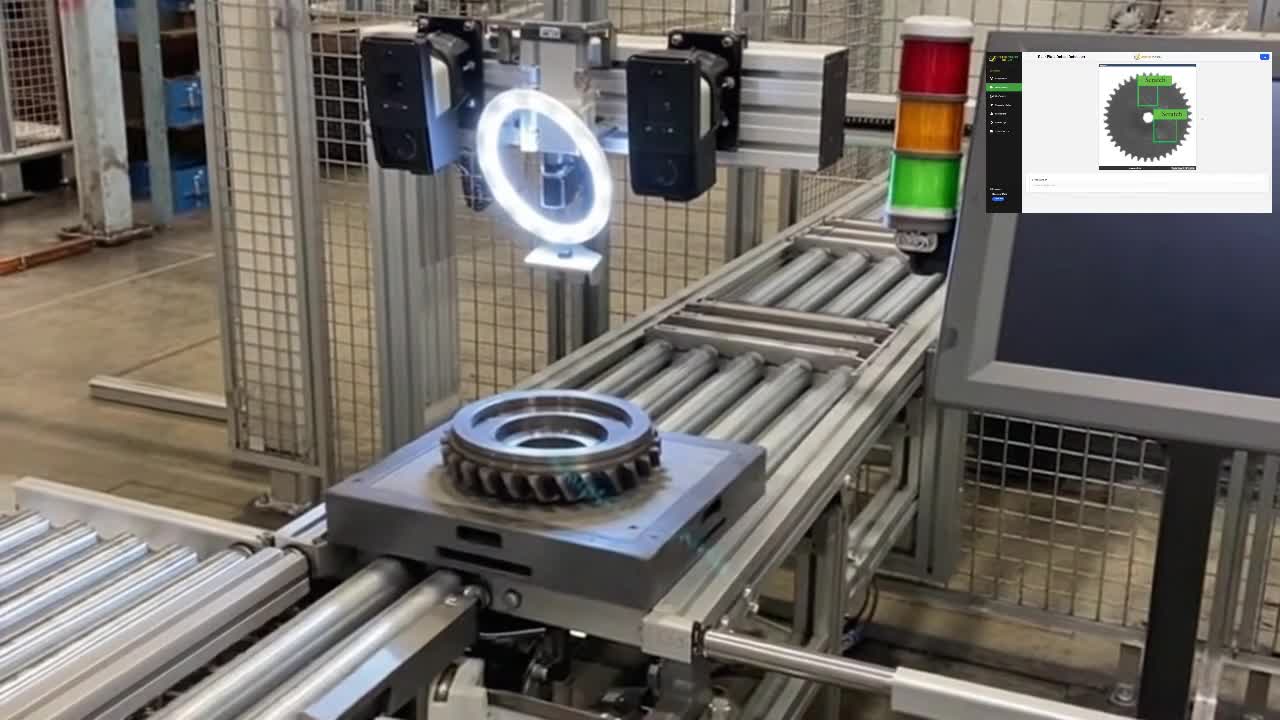
A workflow for learning the appearance of acceptable surfaces and configured discontinuities.
Review the workflow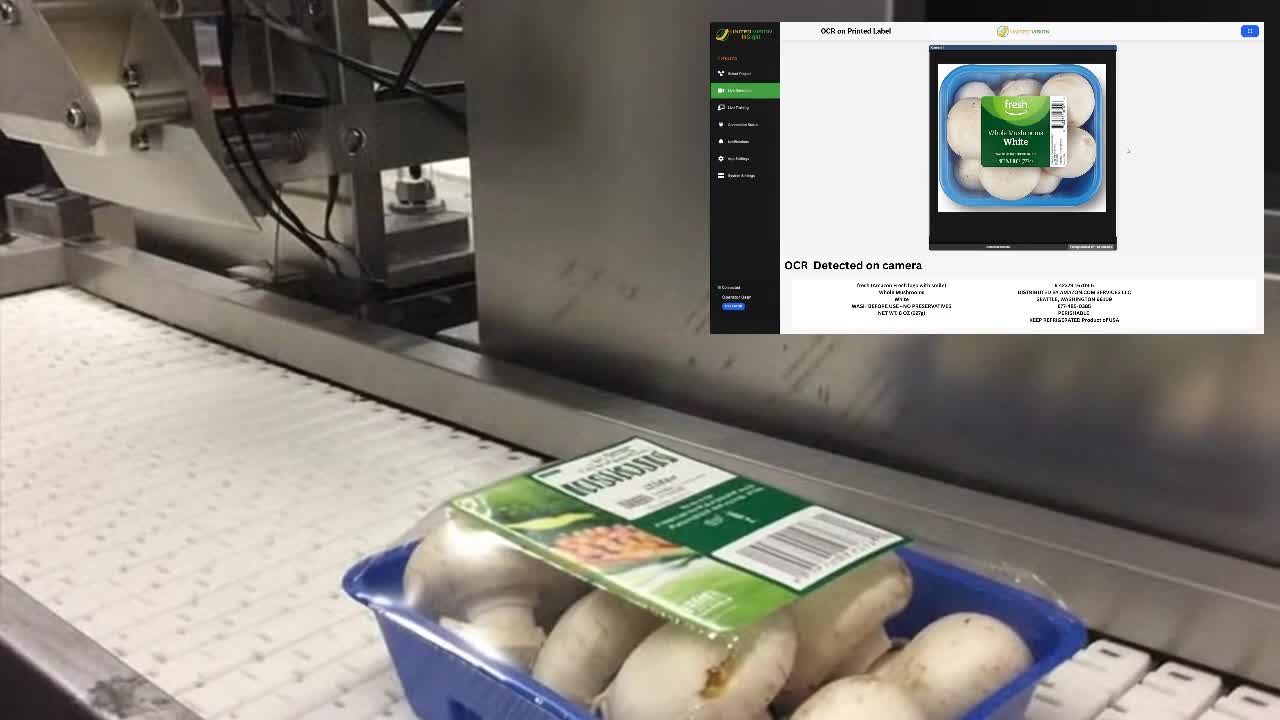
A workflow for checking the presence and readability of configured label elements and printed characters.
Review the workflow
A workflow for estimating configured dimensions when optics, calibration and part presentation are controlled.
Review the workflow
A workflow illustrating movement detection in a defined area as an informational monitoring input.
Review the workflow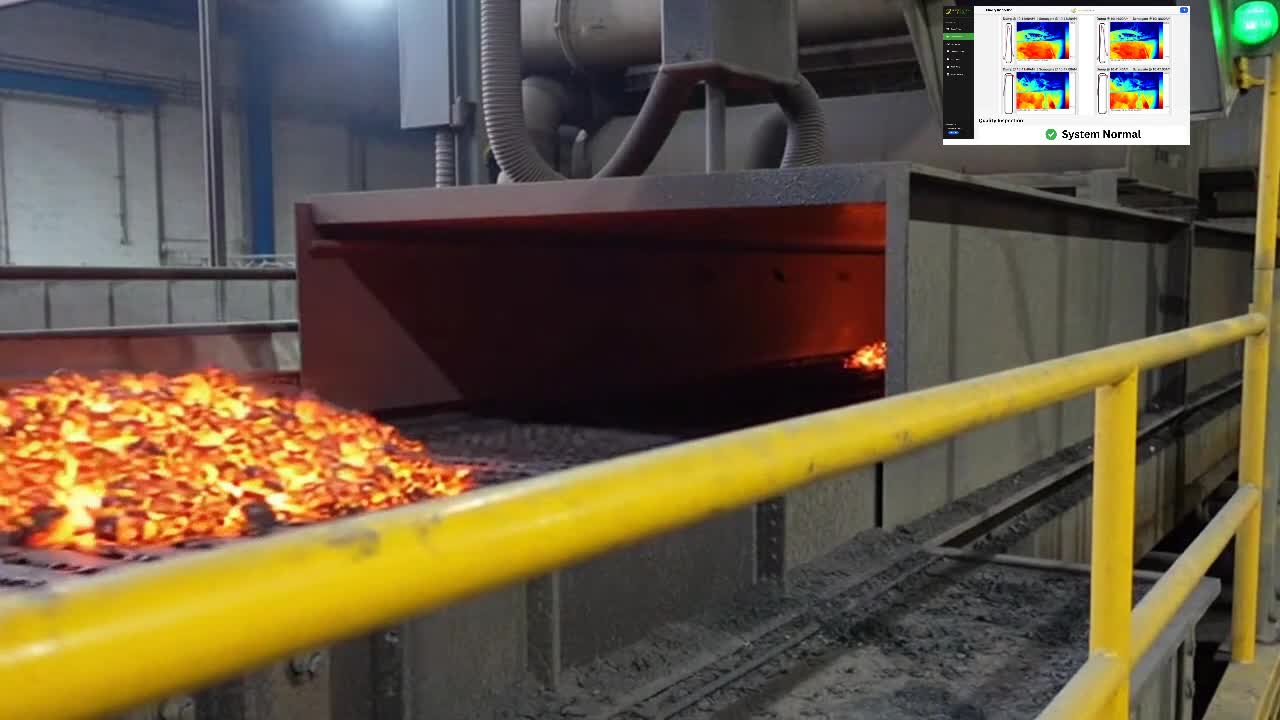
A workflow for evaluating compatible thermal imagery against a defined process condition.
Review the workflowHow to use these pages
Each use case is organized around the same questions a plant should answer during discovery.
Define what the camera must actually see and how it differs from acceptable production.
Identify optics, lighting, mounting, timing and presentation conditions.
Connect model output to review, routing, alerting or another approved process response.
Agree the test set, thresholds, error costs, owners and release criteria.
Bring one current opportunity, representative images if available, and the decision the plant needs to make.