Component presence and absence
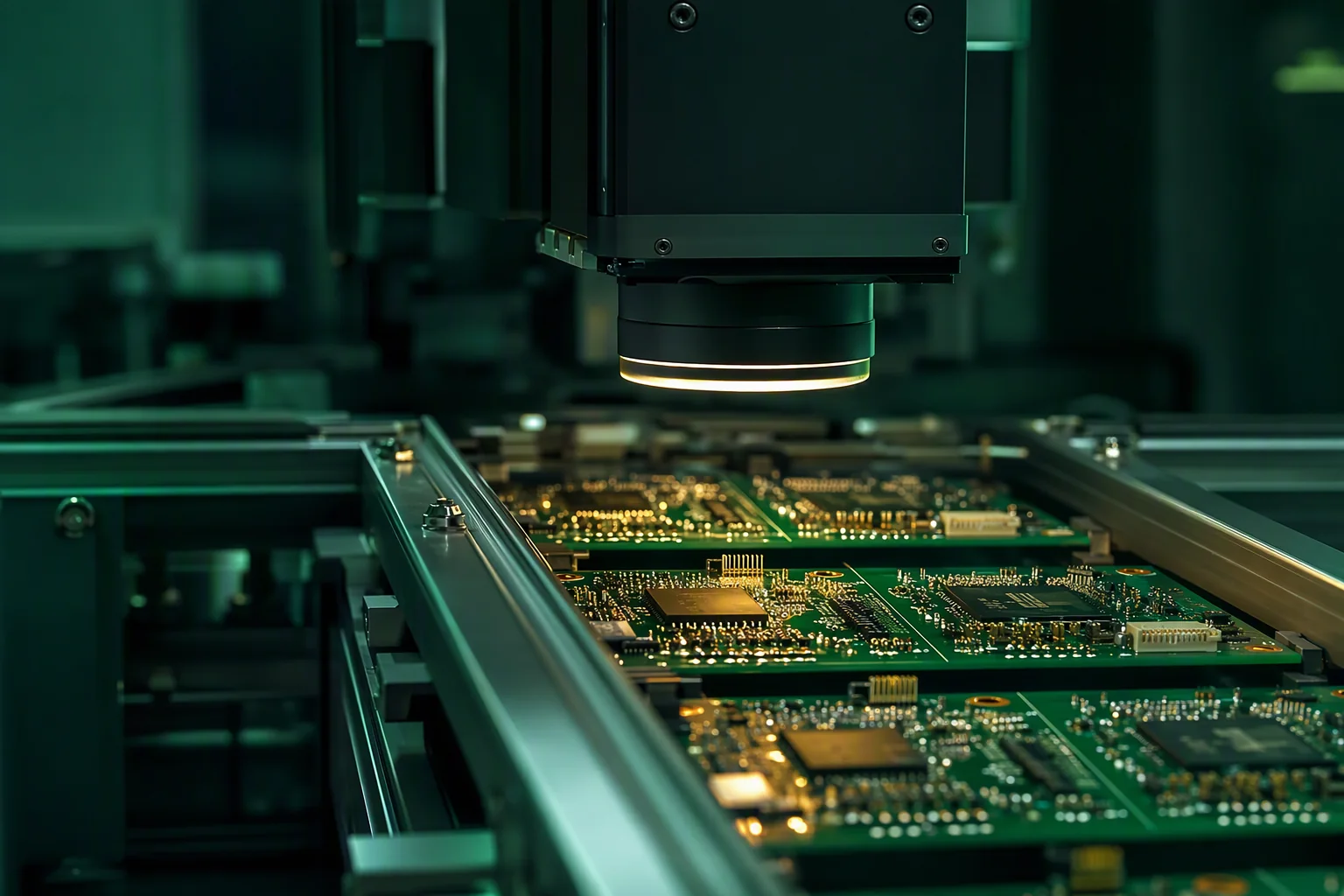
Verify that required components are present in the expected regions while accounting for board variants, legitimate substitutions, occlusion and normal placement tolerance.

Electronics and assembly
Use representative production images to define component, connector and assembly checks on qualified plant cameras, with factory-owned edge inference and a customer-chosen cloud account.
The right architecture depends on the visual signal, process risk, line conditions and validation standard, not the industry label alone.
Candidate inspection families
These are categories to evaluate, not claims of deployed performance.
Verify that required components are present in the expected regions while accounting for board variants, legitimate substitutions, occlusion and normal placement tolerance.
Inspect visible polarity marks, orientation features and connector seating when resolution, view angle, lighting and fixturing make the decision repeatable.
Associate each qualified product variant with the correct inspection recipe so optional and required components are evaluated against the right build definition.
Read configured identifiers and inspect visible workmanship conditions only where character contrast, component scale and image access support a reliable line decision.
Readiness
A credible review covers optics, lighting, field of view, product presentation, cycle time, edge compute, interfaces, response and acceptance criteria.
Use Cases
Each use case connects the inspection workflow to the questions a plant should answer before production deployment.
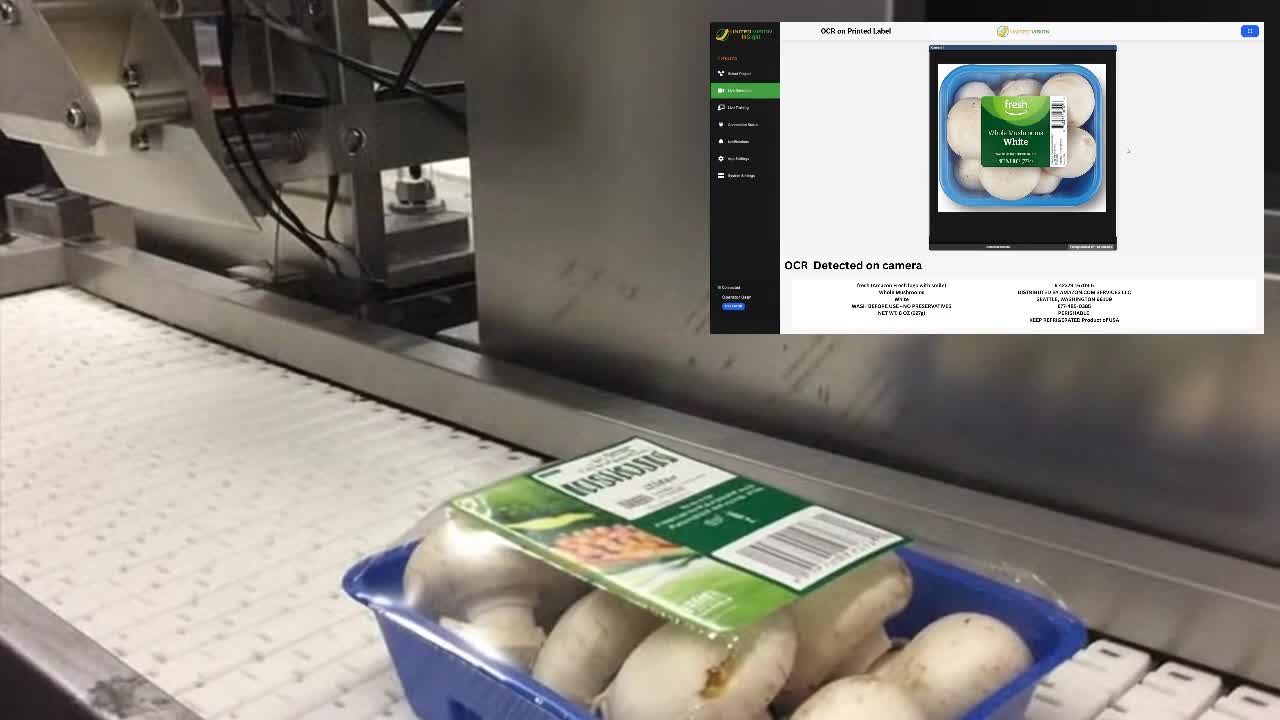
A workflow for checking the presence and readability of configured label elements and printed characters.
Review the workflow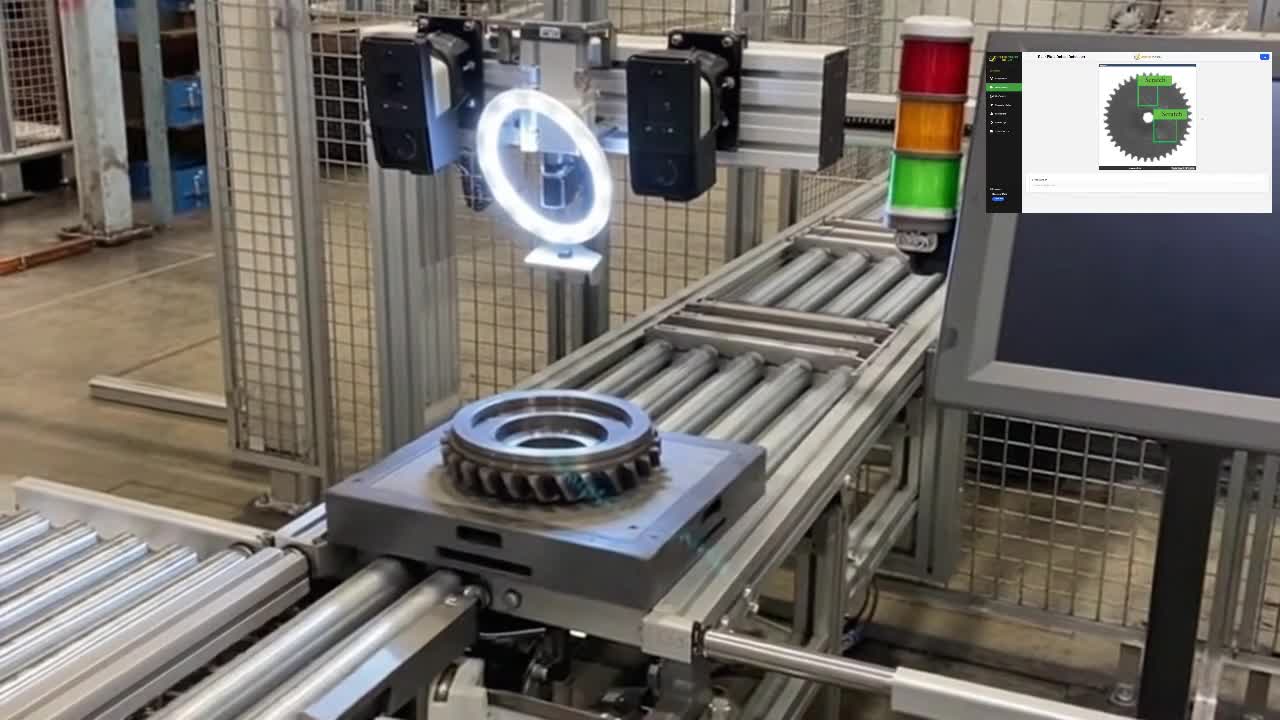
A workflow for learning the appearance of acceptable surfaces and configured discontinuities.
Review the workflow
A workflow for estimating configured dimensions when optics, calibration and part presentation are controlled.
Review the workflowQuestions answered
Choose a visible, economically relevant condition with accessible images, a clear decision, manageable integration and a practical validation set. The best first use case proves the complete operating workflow.
Not safely by default. Cameras, lighting, products, fixtures, suppliers and process conditions can differ. Reuse the deployment package and governance, then validate locally.
No. Stable, deterministic checks can remain an excellent fit for traditional machine vision. United Vision should be evaluated where learned visual patterns and a reusable plant-owned lifecycle are useful.
Yes, when the existing equipment is suitable and supported for the inspection. The review qualifies image quality, optics, lighting, timing, interfaces, edge capacity and the plant environment; United Vision does not require one proprietary camera and edge stack.
Production inference always runs on a supported factory-owned edge device. United Vision cloud services run in a supported cloud account chosen and owned by the customer, keeping the real-time decision close to the line.
Yes. One factory license supports unlimited United Vision use cases within the licensed factory. Each use case still requires suitable evidence, imaging, integration and production validation.
Bring the product, image source, process condition, decision and current inspection method. We will use those facts to test fit.